

As skin ages, collagen and elastin production naturally decline. Over time, this can contribute to looser skin, less defined facial contours, and visible changes around the jawline, neck, and brows. For patients who want to address these concerns without surgery, ultrasound-based skin tightening treatments offer a non-invasive option.
Two treatments that often come up in the search for firmer-looking skin are Ultherapy and Sofwave. Both use ultrasound energy to stimulate the body's natural collagen response, but they differ in how they deliver that energy and the tissue they target.
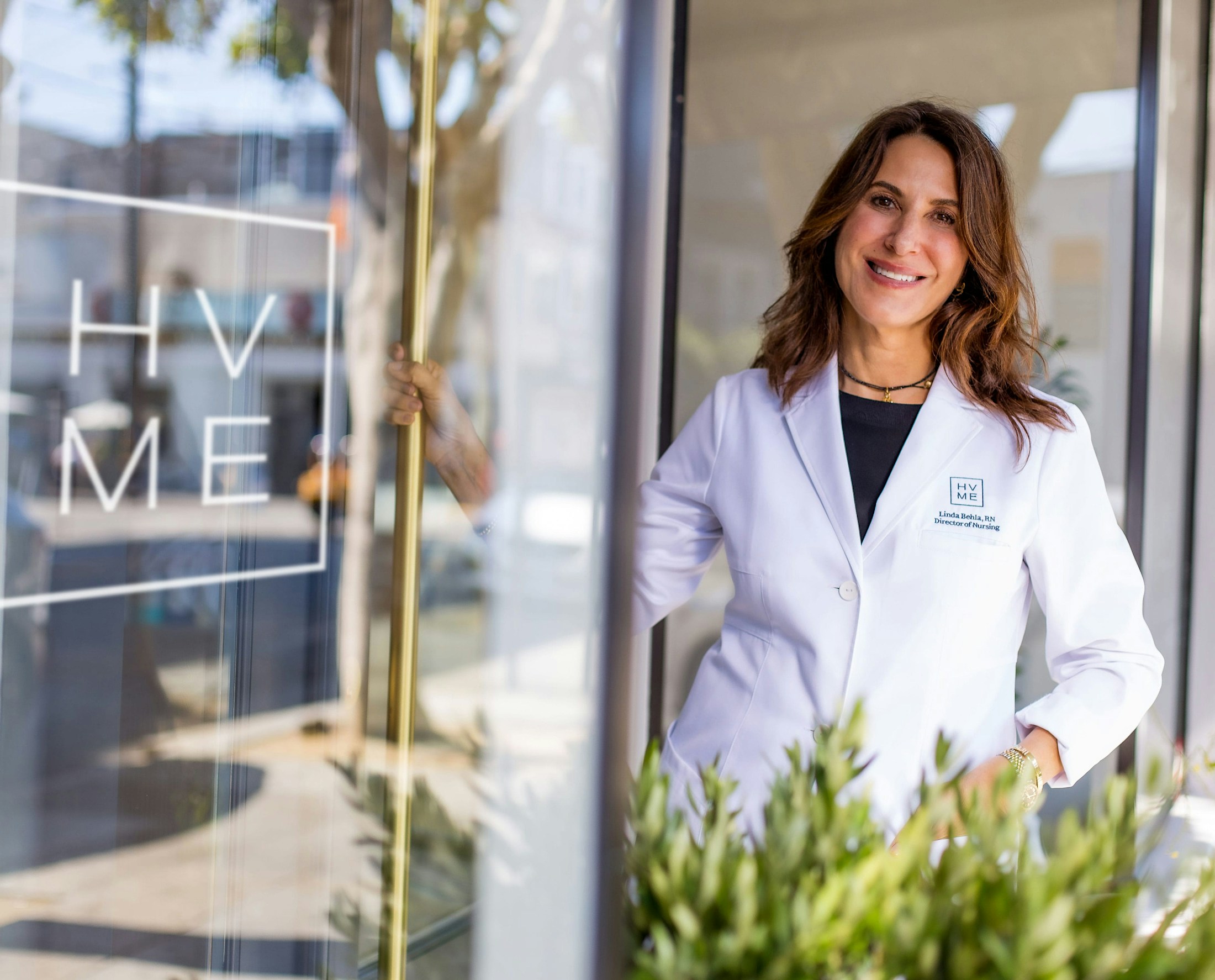
At Hayes Valley Medical Esthetics, we take an individualized approach to aesthetic treatments. Linda Behla, R.N., and our experienced team understand that choosing the right technology involves more than comparing devices. It means understanding your skin, your goals, and the type of improvement you hope to achieve.
So, is Ultherapy or Sofwave the better choice? The answer depends on your treatment goals, but Ultherapy offers a distinct advantage for patients seeking targeted lifting supported by real-time ultrasound visualization.
How Do Ultherapy and Sofwave Work?
Although both treatments use ultrasound energy to stimulate collagen production, they deliver that energy differently.
Ultherapy uses microfocused ultrasound with real-time imaging to deliver energy to selected tissue depths beneath the skin. This approach allows a trained provider to visualize the underlying tissue and confirm the appropriate treatment depth before delivering energy. Ultherapy is FDA-cleared for lifting the brow and lax tissue beneath the chin and on the neck, as well as improving lines and wrinkles on the décolletage.
Sofwave uses Synchronous Ultrasound Parallel Beam technology, which delivers ultrasound energy to the mid-dermis to stimulate collagen and elastin production. It is designed to improve the appearance of fine lines and wrinkles and skin laxity without surgery or significant downtime.
Both treatments aim to improve skin firmness gradually as the body responds to the treatment. However, their different delivery methods may make one a more appropriate option than the other for a particular patient.
1. Ultherapy Targets Deeper Tissue Layers
One of Ultherapy's defining features is its ability to deliver focused ultrasound energy at multiple depths. This allows providers to select treatment depths based on the area being treated and the patient's anatomy.
That distinction can matter when the primary concern is skin laxity rather than surface texture alone. Changes in the skin's deeper support structures can contribute to sagging around the lower face, beneath the chin, and along the neck. Ultherapy's ability to target deeper tissue layers makes it an option worth discussing for patients seeking a non-surgical lifting treatment.
Sofwave takes a different approach by concentrating its energy in the mid-dermis. This makes it a relevant option for patients whose primary goals involve improving skin laxity and the appearance of fine lines.
Neither treatment is a substitute for a surgical facelift, and neither can address every cause of facial aging. The most appropriate choice depends on the degree of laxity, the treatment area, and the results a patient hopes to achieve.
2. Real-Time Ultrasound Imaging Helps Guide Ultherapy Treatments
A major distinction between Ultherapy and Sofwave is Ultherapy's integrated real-time ultrasound imaging.
With Ultherapy, trained providers can visualize the skin's underlying tissue layers during treatment. This helps them confirm the depth of the tissue being targeted, check transducer contact, and guide energy delivery according to the patient's anatomy.
Sofwave uses a different delivery system and does not offer the same integrated real-time visualization of underlying tissue layers. Its treatment approach is designed around its specific ultrasound technology and established treatment parameters.
Real-time imaging is an important consideration when comparing the two devices, particularly for patients interested in targeted lifting. However, imaging alone does not guarantee a particular outcome. Provider training, appropriate patient selection, and a personalized treatment plan remain essential to achieving safe, natural-looking results.
3. Both Treatments Have Clinical Support, but Their Indications Differ
When considering an aesthetic procedure, it is helpful to look beyond marketing claims and understand what each device is designed and cleared to treat.
Ultherapy has an established clinical history in non-invasive skin lifting. Its FDA-cleared indications include lifting the brow and lax tissue beneath the chin and on the neck, as well as improving lines and wrinkles on the décolletage. The technology's real-time visualization is an important part of its treatment approach.
Sofwave also has FDA clearance for aesthetic applications, including improving facial lines and wrinkles and lifting the eyebrow and submental and neck tissue under applicable indications. It has its own clinical evidence supporting its approach to skin rejuvenation.
Rather than assuming that one device is universally more effective, patients should consider whether the treatment's intended use aligns with their specific concerns. A consultation with an experienced provider can help clarify what each option may realistically accomplish.
For more information, you can review the manufacturers' resources on how Ultherapy works and Sofwave's ultrasound technology. The U.S. Food and Drug Administration also maintains public records for medical devices, including the Sofwave System's 510(k) clearance.
4. Which Treatment Is Better for Your Skin Concerns?
The right treatment depends on what you want to improve, the condition of your skin, and the amount of lifting or tightening that may be achievable without surgery.
Ultherapy may be worth considering if you:
- Want to address laxity beneath the chin or along the neck.
- Are interested in non-surgical lifting around the brow.
- Value real-time ultrasound visualization during treatment.
- Want a treatment plan tailored to specific tissue depths and anatomical areas.
Sofwave may be worth considering if you:
- Want to improve the appearance of fine lines and wrinkles.
- Are interested in ultrasound-based skin tightening focused on the mid-dermis.
- Prefer a non-invasive treatment with minimal disruption to your routine.
- Have concerns that align with the device's specific indications and your provider's assessment.
These considerations are not a substitute for an individualized evaluation. Some patients may be better candidates for one treatment, while others may benefit from a different skin rejuvenation approach altogether.
What Results Can You Expect From Ultrasound Skin Tightening?
Ultrasound-based skin tightening works by stimulating a biological response rather than immediately removing excess skin. As collagen remodeling takes place, improvements in firmness and definition may become more noticeable over the following weeks and months.
Results vary depending on the treatment used, the area being treated, the degree of skin laxity, and individual healing responses. These treatments are generally intended to produce gradual, natural-looking improvements rather than the dramatic changes possible with surgery.
Temporary tenderness, swelling, redness, or other treatment-related effects may occur. Your provider should explain the expected recovery, potential risks, and realistic outcomes before you proceed.
If you are exploring ways to address changes around your jawline or neck, you can also learn more about treatment options for neck laxity and non-surgical approaches to loose skin.
Explore Your Skin Tightening Options at Hayes Valley Medical Esthetics
Choosing between Ultherapy and Sofwave should not come down to which device makes the boldest promises. It should come down to which treatment best fits your skin, your concerns, and your expectations.
At Hayes Valley Medical Esthetics, our approach combines advanced aesthetic technology with personalized treatment planning. Our team will take the time to understand what is bothering you, evaluate the areas you want to address, and discuss whether Ultherapy or another treatment is the most appropriate option.
If you are noticing early jowling, a softer jawline, or loose skin beneath your chin, bring those specific concerns to your consultation. We can help you understand what non-surgical skin tightening can realistically achieve, what the experience involves, and whether a different treatment or combination of services may better support your goals.
Ready to make a more informed decision about skin tightening? Connect with our Hayes Valley team in San Francisco to discuss your options and take the next step toward a treatment plan designed around you.
```