
Significant weight loss changes more than the number on the scale. It can leave the skin unable to snap back into place, resulting in loose or sagging areas across the face, neck, and body that diet and exercise alone can't resolve.
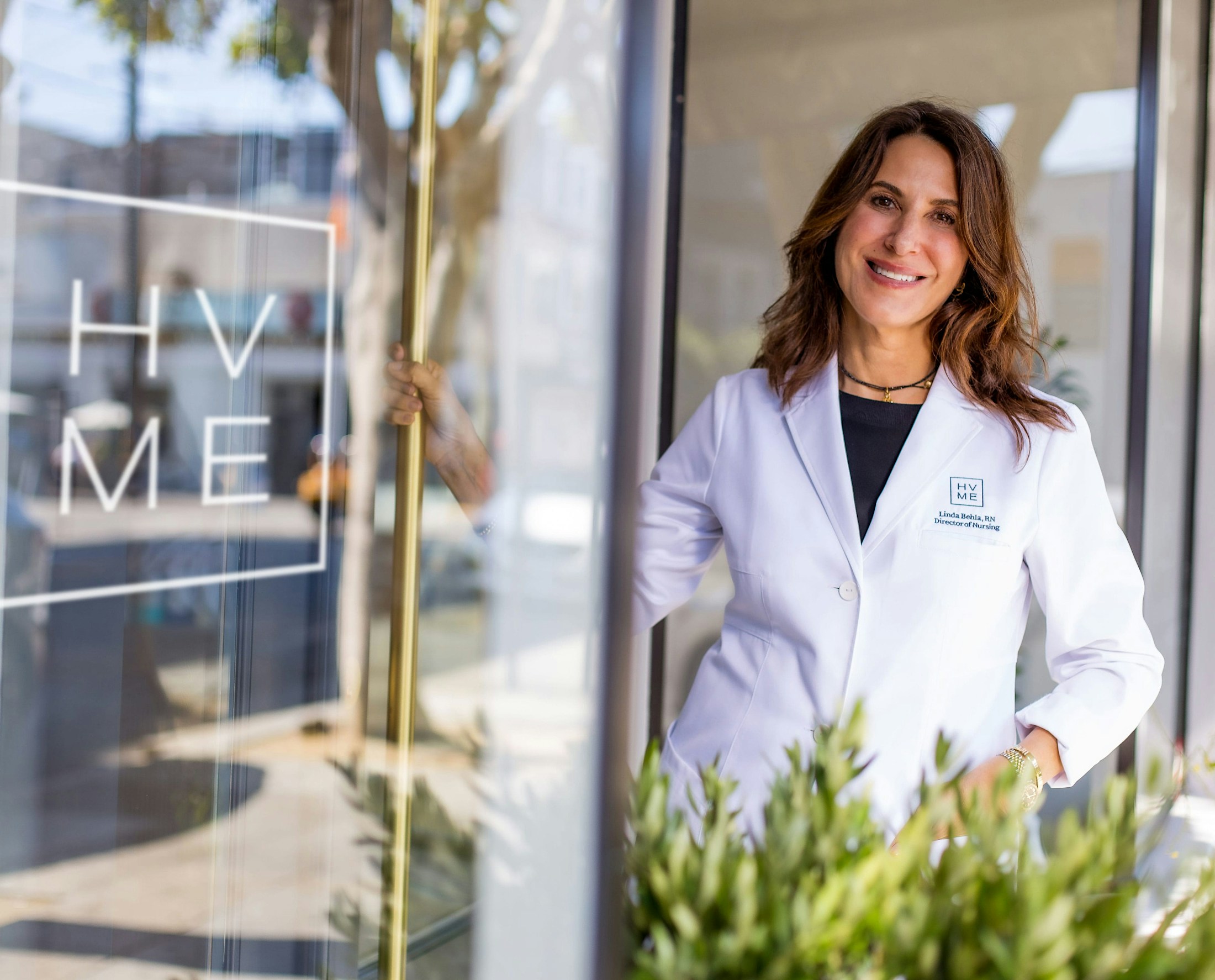
Hayes Valley Medical Esthetics was founded in 2014. We offer 30 aesthetic devices, giving patients several non-surgical options to address loose skin after weight loss. Treatment is led by Linda Behla, RN, Director of Nursing with more than 20 years of experience, under the medical supervision of board-certified plastic surgeon Yngvar A. Hvistendahl, MD. HVME ranks among the top 0.5% of medical aesthetics practices nationwide, as recognized by Allergan Aesthetics, and offers this treatment at its Hayes Valley, Cow Hollow, and Larkspur locations.
In this blog, we'll look at why skin loosens after weight loss and how I-LASER 1940nm tightens skin and rebuilds collagen without incisions or downtime.
Why Does Skin Loosen After Weight Loss?
Skin relies on collagen and elastin, the proteins that give it structure and allow it to spring back after stretching. Weight gain stretches those fibers over time, and when a significant amount of fat is lost, especially quickly, the skin doesn't always have the capacity to fully contract.
According to the American Academy of Dermatology, skin laxity is largely driven by a loss of collagen, elastin, and hyaluronic acid, and weight loss is one factor that can accelerate its onset.
A few variables influence how much loose skin a person ends up with:
- Amount of weight lost: Greater weight loss tends to leave more excess skin behind.
- Speed of weight loss: Rapid loss gives skin less time to adjust than a gradual decline.
- Age and genetics: Collagen and elastin production naturally slow with age, and some people produce more of these proteins than others.
- Sun exposure and smoking history: Both accelerate collagen breakdown independent of weight change.
This is why two patients who lose similar amounts of weight, whether through diet and exercise, GLP-1 medications, or bariatric surgery, can end up with very different degrees of skin laxity.
What is I-LASER 1940nm?
I-LASER 1940nm is an FDA-cleared diode laser that delivers energy at a wavelength selectively absorbed by water and fat. That selectivity allows the laser to heat tissue beneath the skin's surface in a controlled way, triggering skin retraction and ongoing collagen remodeling while limiting impact on surrounding structures. A fine optical fiber delivers the energy beneath the skin during an outpatient visit performed under local anesthesia.
HVME offers I-LASER 1940nm through three distinct programs, each suited to a different concern:
- I-LIFT: Tightens and repositions lax tissue to achieve a non-surgical mini-facelift effect, commonly used on the lower face, jawline, neck, arms, abdomen, knees, and inner thighs.
- I-CELL: Targets the fibrous bands responsible for cellulite dimpling and is also used for scar remodeling.
- I-MELT: Combines targeted fat reduction with skin retraction, making it suited to areas where both contour and tightening are priorities.
Treating Loose Skin From Face to Body
Because treatment areas and goals vary widely from patient to patient, the right I-LASER program often depends on where laxity is most pronounced.
Face and Neck
- Post-weight-loss laxity in the face frequently appears along the jawline, under the chin, and in the neck
- I-LIFT is typically the starting point here, tightening lax tissue without the incisions or recovery time of a surgical facelift
Abdomen and Flanks
- Excess skin around the midsection is one of the most common concerns following major weight loss
- I-MELT can address both residual fat pockets and loose overlying skin in the same session
- I-LIFT is often used when the primary concern is tightening rather than fat volume
Arms and Thighs
- Skin along the upper arms and inner thighs tends to lose elasticity quickly after weight loss because these areas stretch significantly during weight gain
- I-LIFT and I-CELL are both used in these areas, depending on whether the goal is tightening, texture improvement, or both
I-LASER 1940nm vs. Other Body Contouring Options
- CoolSculpting is designed primarily for fat reduction through controlled cooling and does not address loose skin directly
- EmSculpt builds underlying muscle tone through electromagnetic stimulation, which can improve overall contour but doesn't target skin laxity itself
- I-LASER 1940nm is distinct in that it can address fat, skin tightening, and cellulite in a single platform, which is part of why it's often recommended for patients balancing more than one post-weight-loss concern
- Surgical body lift or facelift remains the option for more advanced skin laxity that non-surgical treatments cannot fully correct
Loose Skin After Weight Loss? Hayes Valley Medical Esthetics Can Help
Choosing the right provider matters as much as choosing the right treatment. At Hayes Valley Medical Esthetics, every I-LASER 1940nm plan is built around an in-person evaluation rather than a one-size-fits-all protocol, with treatment decisions made collaboratively between Linda Behla, RN, and the physician team under Dr. Hvistendahl's oversight.
Patients also benefit from a practice with three convenient San Francisco Bay Area locations and a team that routinely combines I-LASER 1940nm with other services, from injectables to body contouring, when a broader plan better serves their goals.
If you're ready to find out what that looks like for you, schedule a consultation with our San Francisco or Larkspur team today.
Disclaimer: This information is provided for educational purposes only and does not replace a consultation with a board-certified plastic surgeon. Outcomes, risks, and suitability vary from patient to patient.
Sources
- American Academy of Dermatology, "Many Ways to Firm Sagging Skin"
- American Board of Cosmetic Surgery, "Non-Surgical Skin Tightening"
- Cleveland Clinic, "Radio Frequency (RF) Skin Tightening"
- Hayes Valley Medical Esthetics, I-LASER 1940nm in San Francisco